
THE ART OF
COFFEE ROASTING
Understanding how heat transforms green beans into the aromatic, flavorful coffee you love.
Roasting is where the magic happens. Green coffee beans are dense, grassy, and virtually flavourless. But apply heat carefully, and they transform into the rich, aromatic beans that deliver the complex flavours we crave in every cup.
The roasting process is a delicate dance of time and temperature. During those crucial minutes in the roaster, hundreds of chemical reactions occur — sugars caramelise, acids develop, and the characteristic flavour compounds emerge. Understanding roasting helps you choose beans that match your taste preferences perfectly.
"ROASTING IS WHERE GREEN BEANS BECOME THE AROMATIC COFFEE YOU LOVE."
UNDERSTANDING ROAST LEVELS
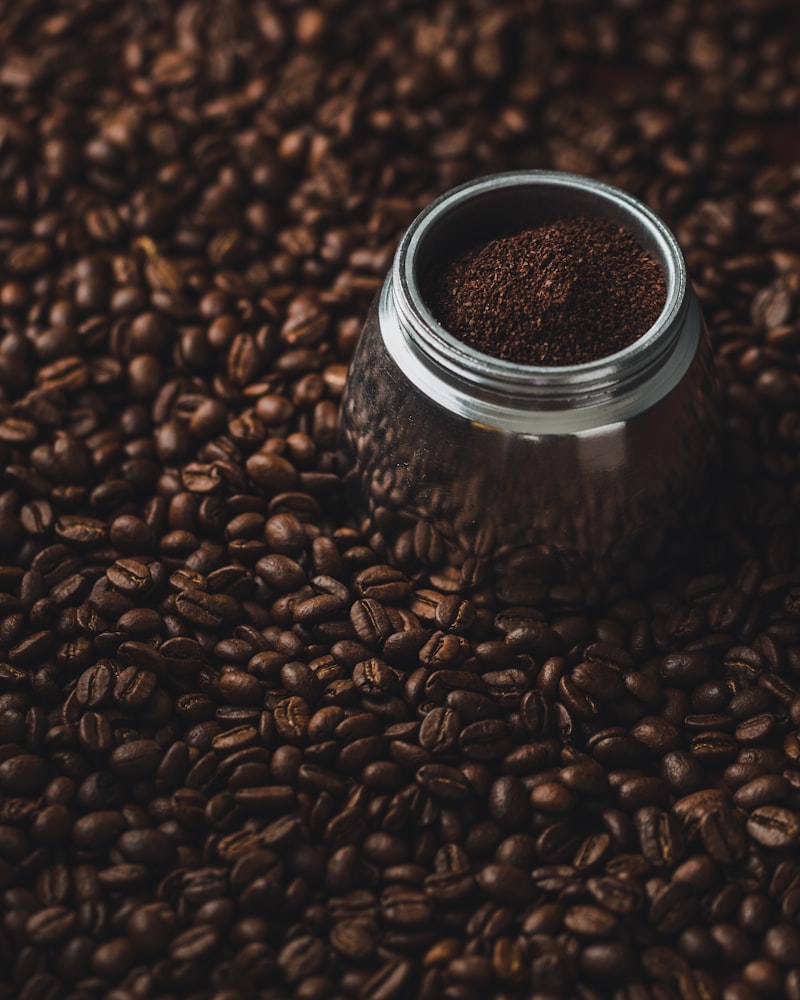
Roast level dramatically affects flavour profile. Light roasts preserve origin characteristics; dark roasts develop bold, roasty notes. Here's what to expect at each level:
LIGHT ROAST
180-205°C • First Crack
Bright acidity, floral and fruity notes, tea-like body. Best for showcasing origin characteristics.
MEDIUM ROAST
210-220°C • Between Cracks
Balanced acidity and body, caramel sweetness, nutty undertones. Our most popular profile.
MEDIUM-DARK
225-230°C • Start of Second Crack
Rich chocolate notes, fuller body, slight bittersweet finish. Great for espresso.
DARK ROAST
230-245°C • Through Second Crack
Bold, smoky flavours, low acidity, heavy body. Origin character gives way to roast character.

"THE SAME BEAN ROASTED DIFFERENTLY WILL TASTE LIKE COMPLETELY DIFFERENT COFFEES."
THE ROASTING PROCESS
DRYING PHASE
Green beans contain 8-12% moisture. The first few minutes drive off this water as the beans turn from green to yellow. The beans smell grassy and hay-like during this stage.
MAILLARD REACTION
Around 150°C, amino acids and sugars begin reacting — the same process that browns bread and seared meat. The beans turn brown and aromatic compounds start forming. This is where flavour development begins.
Did you know? The Maillard reaction creates over 800 different aromatic compounds in coffee.
FIRST CRACK
At around 196°C, pressure builds inside the beans and they crack audibly — similar to popcorn. This marks the minimum roast level. Light roasts are pulled shortly after first crack.
DEVELOPMENT
After first crack, the roaster controls heat carefully. Longer development time creates sweetness and body; faster development preserves brightness. This is where the roaster's skill shows.
SECOND CRACK & COOLING
Around 224°C, a second, quieter crack signals oils migrating to the surface. Dark roasts continue past this point. The beans are then rapidly cooled to stop the roasting process.
FLAVOUR DEVELOPMENT
Light roast
Dark roast
Acidity decreases with roast level. Light roasts are bright and tangy; dark roasts are smooth and mellow.
Light roast
Dark roast
Body increases with roasting. Light roasts feel tea-like; dark roasts are full and heavy.
Light roast
Medium roast (peak)
Sweetness peaks at medium roasts where caramelisation is balanced with bean sugars.
FRESHNESS MATTERS
REST AFTER ROASTING
Fresh roasted beans need 2-7 days to degas. CO2 escaping can cause uneven extraction. Patience rewards.
PEAK FLAVOUR WINDOW
Most coffees taste best 7-21 days after roasting. After that, flavours begin to fade and stale.
STORE PROPERLY
Keep beans in an airtight container away from light, heat, and moisture. Never refrigerate or freeze.
BUY WHOLE BEAN
Ground coffee stales 10x faster. Grind just before brewing for maximum freshness and flavour.
CHECK THE ROAST DATE
We print roast dates on every bag. Look for coffee roasted within the last 4 weeks for best results.
SMALL BATCH IS BEST
Buy what you'll use in 2-3 weeks. Fresh beans are worth the extra effort of ordering more often.
TASTE THE FRESHNESS
All our beans are roasted in small batches and shipped within days. Experience the difference fresh makes.